- What the Middle Class Tax Refund Was (Eligibility & Amounts).
- How Payments Were Delivered (Direct Deposit vs. Debit Card).
- 2025: Do You Need to Apply? (Myth vs. Reality & Missed Payment Checklist).
- Card Validity, Fees & Fraud Prevention (2025 Considerations).
- Taxability: State vs. Federal (What If You Received a 1099‑MISC?).
- FAQ
- 1. Is there a new “middle class tax refund” in 2025?
- 2. I saw a blog claiming Round 2 is coming. Should I prepare to apply?
- 3. What if I still have an unactivated card?
- Bottom Line (and Resources).
Middle Class Tax Refund 2026: Eligibility, Amounts & Application Process
California’s Middle Class Tax Refund (MCTR) was a one‑time inflation relief program with payments issued primarily between October 2022 and January 2023.
The California Franchise Tax Board (FTB) has stated it is not authorized to reissue MCTR payments after May 31, 2024. As of today, no official second round has been announced for 2025.
However, that is not the end of it. With MCTR, we must dive deeper to understand some pointers. As a result, we will be:
- (a) Recap the original MCTR’s eligibility and amount tiers
- (b) explain how payments were delivered
- (c) Outline what you can do in 2025 if you still have a card or believe you missed out
- (d) Answer common questions with practical, cited guidance.
Our goal is to help you avoid myths, save time, and secure any remaining access you have to funds tied to your middle-class tax refund.
What the Middle Class Tax Refund Was (Eligibility & Amounts).

The Middle Class Tax Refund was designed to offset inflation pressures in California. Eligibility hinged on 2020 tax information, not current‑year filings. So many residents rightly wondered why their 2023 or 2024 returns were not part of the criteria. To qualify, you had to:
- (1) file a 2020 California tax return by October 15, 2021 (with a February 15, 2022 extension for certain ITIN applicants).
- (2) be a California resident for at least six months in 2020 and a resident on the payment issue date.
- (3) not be eligible to be claimed as a dependent in 2020.
- (4) meet CA AGI thresholds, which are up to $250,000 for single/Married Filing Separately and up to $500,000 for Married Filing Jointly/Head of Household/Qualifying Widow(er).
Amounts ranged from $200 to $1,050, depending on filing status, AGI tier, and whether you claimed a dependent. Comprehensive breakdowns published by reputable explainers match the FTB schedules.
For example, single filers under $75,000 received $350, while joint filers under $150,000 with a dependent received $1,050.
If you’re double‑checking a past deposit or a debit card balance associated with your middle-class tax refund, these tiers can help you validate what you should have seen.
How Payments Were Delivered (Direct Deposit vs. Debit Card).
MCTR payments were either direct‑deposited (for those who e‑filed and had a prior state refund via direct deposit) or sent by prepaid debit card to others.
Many recipients received cards from Money Network, often inside envelopes with a return address in Omaha, Nebraska, a detail that surprised people and caused uncertainty.
Local consumer reporting also provided practical tips, including what the envelope looks like and what to expect when contacting support. If you received a card, you were expected to activate it, set a PIN, and then use the funds.
Some ways include withdrawing cash at in‑network ATMs, getting cash back at merchants, or transferring the balance to your bank account. These steps apply to any current, unactivated card you still possess in 2025.
2025: Do You Need to Apply? (Myth vs. Reality & Missed Payment Checklist).
There was never a separate, open “application” for the MCTR. The process was automatic based on your 2020 return and eligibility. Additionally, the FTB states that it cannot reissue payments after May 31, 2024.
Which, in turn, means that any brand‑new issuance in 2025 is not part of the original program. If you believe you qualified yet didn’t receive the middle-class tax refund, here’s a practical checklist you can follow:
- Verify your records: Search bank statements from October 2022 to February 2023 for deposits from “FTB MCT REFUND”.
- Check mail history: Confirm whether you received a Money Network debit card (envelope from Omaha, NE); some recipients overlooked or discarded the card.
While you cannot create a new “application” in 2025 for the original MCTR, these actions may help you access any legitimate, unclaimed benefits tied to the middle-class tax refund that were already issued.
Card Validity, Fees & Fraud Prevention (2025 Considerations).
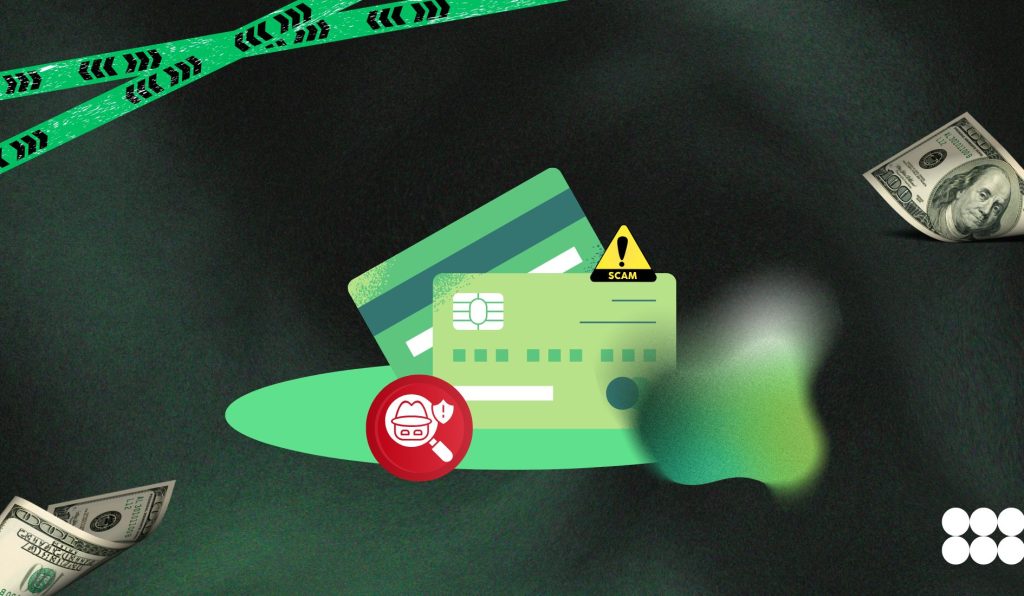
A frequently missed point: many cards reportedly remained unactivated, with millions in benefits still unused even by early 2024. Media and personal finance outlets noted that the card is generally valid for 3 years from issuance and urged residents to activate itand move funds to a bank for safekeeping.
If fees concern you, use in‑network ATMs or get cash back at merchants, and consider transferring the balance to your own account to avoid monthly service fees or dormancy risks. Always read the Cardholder Agreement and Fee Schedule within Money Network’s help center.
For fraud prevention, FTB recommends promptly moving funds, never sharing your PIN or full SSN, and reporting lost or stolen cards immediately. These pragmatic steps remain wise in 2025 for anyone still handling card access linked to the middle-class tax refund.
Taxability: State vs. Federal (What If You Received a 1099‑MISC?).
California does not treat the MCTR as taxable state income, so you do not include it on your California return. However, some recipients received 1099‑MISC forms, and certain payments may be considered federal income.
Local reporting advised taxpayers to address any 1099‑MISC proactively, not ignore IRS notices, and consult a tax professional about how to reflect the payment on their federal return if required.
If you’re sorting 2024 or 2025 filings and still seeing documents related to your middle-class tax refund, keep this state‑vs‑federal distinction front and center.
FAQ
1. Is there a new “middle class tax refund” in 2025?
Officially, the FTB explains that the MCTR was a one‑time program; the reissuance authority ended May 31, 2024. As of now, there is no confirmed “MCTR 2.0” for 2025.
2. I saw a blog claiming Round 2 is coming. Should I prepare to apply?
Be cautious. Some posts speculate about new payments, but they do not cite official FTB or state legislative sources. Always verify with the FTB before acting. For the original MCTR, you didn’t apply; eligibility was based on your 2020 return.
3. What if I still have an unactivated card?
You can still activate your card and, if needed, transfer funds to your bank. Call Money Network at 1‑800‑240‑0223 for activation, replacement, or support (Money Network, n.d.). To minimize risk, transfer or withdraw funds, and safeguard the PIN.
Bottom Line (and Resources).
The original middle-class tax refund helped millions during a period of high inflation. Still, it was a one‑time event, anchored to 2020 tax data, with payments largely completed by early 2023 and no reissues after May 31, 2024. In 2025, your best move is to
- activate any valid card you still hold,
- transfer funds to your bank promptly,
- keep an eye on fee schedules and fraud prevention, and
- treat any 1099‑MISC carefully for federal reporting, while remembering that California does not tax this payment.
Hopefully, these pointers will help you navigate the nuances of MCTR in 2025. Then again, things are quite fluid when it comes to taxation and its deductions. Hence, please keep yourself updated in order to find the right methodology that can help you.
Share this article: