- How To Decode The URI Step-By-Step?
- The AppBlock File: What Is It And Why Does The App Need It?
- How To Secure Your App Using A File Provider? Content://cz.Mobilesoft.Appblock.Fileprovider/Cache/Blank.HTML
- Why Do You Use Cache? Cache File Management: Why is it Important?
- 1. Improved Performance Performance
- 2. Improved Storage Efficiency
- 3. Cleanliness
- Content CZ Appblock Fileprovider Blank HTML: Is It A Risk?
- Where And When You May Encounter This URI?
- Library Card System Analogy: Content://cz.Mobilesoft.Appblock.Fileprovider/Cache/Blank.HTML
- AppBlock App Features In Relation To the Process
- Content://cz.Mobilesoft.Appblock.Fileprovider/Cache/Blank.HTML Is A Feature And Not A Fault
What Is The Android Content URI (Uniform Resource Identifier?
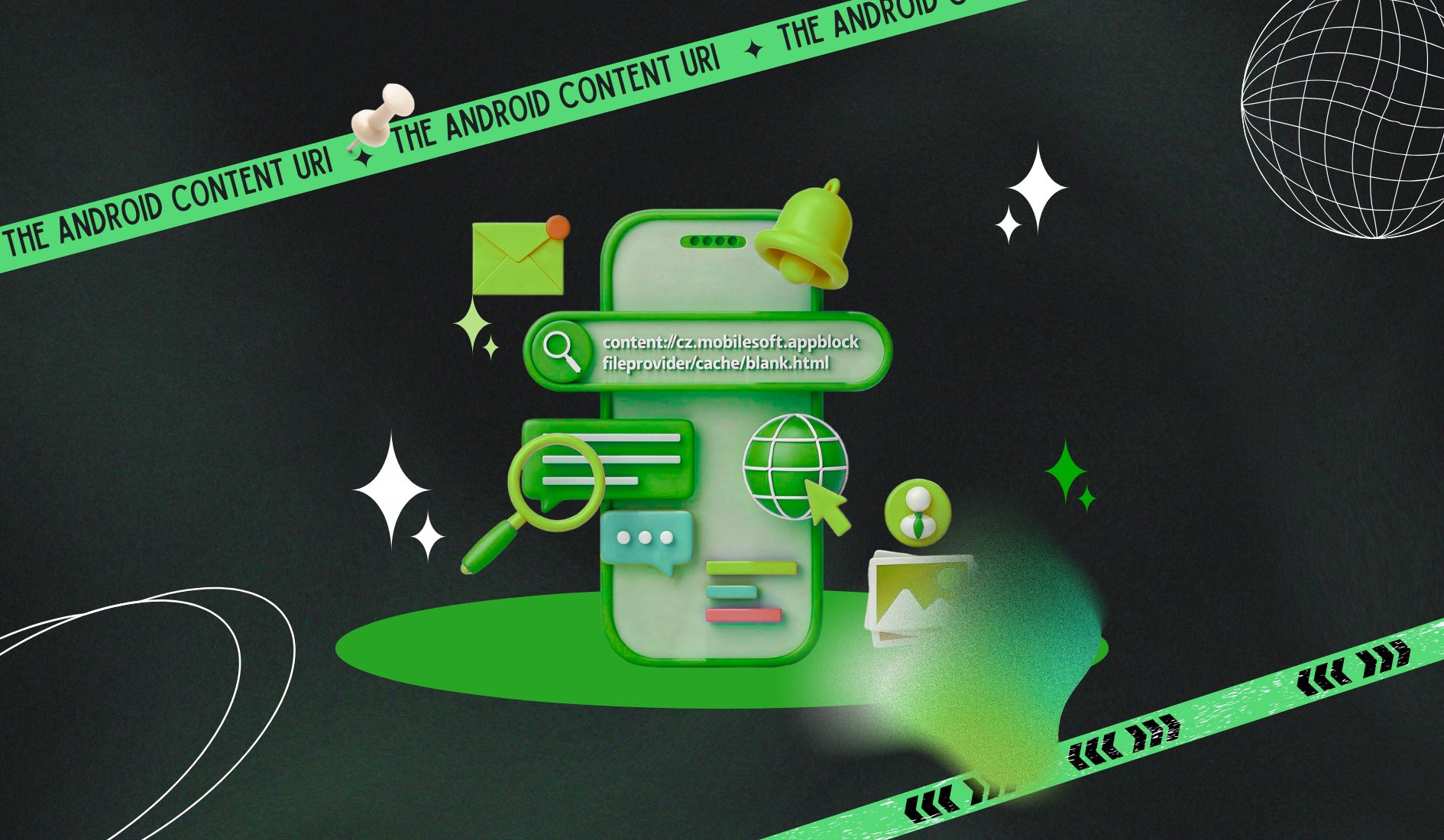
To understand the full string, we must first understand the prefix “content://”. Not every path works like a normal file address.
Android uses a more secure system called a content URI. Unlike simple Windows paths, Android protects file locations carefully.
A content URI acts as a managed and secure address. Hence, it points to specific data stored inside an application. Instead of sharing a raw file path, Android shares this secure reference.
For example, you may attach a gallery image inside an email. In that case, the system does not reveal the original file location. Rather, it provides a content URI to the email application.
The receiving app then requests permission through this URI. The owner application controls access to the actual data.
Therefore, no unauthorized or rogue application can freely access your files. This system strengthens Android’s overall security structure.
It creates temporary, controlled access instead of permanent exposure. Consequently, your private files remain protected from misuse.
In simple terms, a content URI works like a secure digital gateway. It allows limited entry without revealing the entire storage path.
Developers rely on this mechanism to maintain privacy and control. Thus, content URIs play a central role in Android’s secure data sharing process.
How To Decode The URI Step-By-Step?

Let us break down the string content://cz.mobilesoft.appblock.fileprovider/cache/blank.html step by step.
Moreover, each section carries meaning, so reading it slowly prevents confusion. Think of it like reading a postal address line by line. Every part narrows the exact digital location.
First, “content://” represents the scheme. Hence, it immediately tells the Android system that this link uses a Content Provider.
This prefix confirms the link does not represent a regular file path. It also shows the system controls access securely.
Next, “cz.mobilesoft.appblock.fileprovider” represents the authority. This section uniquely identifies the responsible Content Provider.
It clearly references the AppBlock application created by MobileSoft. Additionally, the “.fileprovider” suffix indicates secure file sharing functionality. Developers use this type to safely share internal files.
Then, “/cache/” functions as the path segment. This segment reveals that the file is located in the cache directory.
Furthermore, applications use cache folders to store temporary, quickly accessible data. These files often include images, small documents, or simple web pages.
Finally, “blank.html” is the filename. This HTML file likely contains minimal or empty content. It may serve as a placeholder within the application.
When combined, the entire URI forms a secure digital reference. It safely points to blank.html stored inside AppBlock’s cache directory.
Hence, the system shares this controlled pointer instead of exposing raw storage paths. Thus, the address remains simple yet strongly protected.
The AppBlock File: What Is It And Why Does The App Need It?
AppBlock helps users understand the purpose behind this specific file. Hence, the AppBlock improves focus by blocking distracting apps and websites.
It lets users set time limits for social media or news platforms. Therefore, users avoid unnecessary scrolling during important tasks.
This tool strongly supports digital well-being and productivity. Hence, personally, it helps maintain focus during intense work sessions.
It prevents distractions from platforms like Twitter or Reddit. Hence, when AppBlock blocks a website, it must display a clear message.
If it shows a browser error, users may feel confused. They might assume the website crashed or the internet failed.
Such confusion creates a frustrating user experience. Therefore, AppBlock uses a cleaner solution.
Instead of errors, it loads a simple local HTML file. Thus, this file may remain blank or show a short blocking message.
For example, it may state that AppBlock blocked the site. Because the file is stored locally, loading happens instantly.
It does not require an active internet connection. Thus, AppBlock ensures smooth, immediate, and clear blocking feedback.
The content://cz.mobilesoft.appblock.fileprovider/cache/blank.html serves as a local file placeholder. It was generated by the AppBlock Android application.
How To Secure Your App Using A File Provider? Content://cz.Mobilesoft.Appblock.Fileprovider/Cache/Blank.HTML
FileProvider appears as an important term within this URI. Developers design FileProvider to share files securely.
Earlier Android versions allowed apps to expose direct file paths. That approach created serious security risks.
Malicious apps could access sensitive data easily. They only needed knowledge of another app’s folder structure.
Therefore, Google introduced FileProvider to strengthen protection. A FileProvider generates a Content URI instead of revealing real paths.
This URI hides the actual storage location completely. It allows one app to grant temporary access safely.
The receiving app gains limited read or write permission. Once the task finishes, the permission automatically expires. This temporary access model ensures stronger security control.
For example, AppBlock may create a URI for Blank.html. However, other apps cannot freely browse AppBlock’s internal directory.
Moreover, AppBlock must explicitly grant permission first. Usually, this happens when AppBlock displays its blocked webpage inside a browser.
Why Do You Use Cache? Cache File Management: Why is it Important?
Why does the system store blank.html inside the cache directory? Applications use two main internal storage types: permanent storage and cache.
Apps store temporary, replaceable data inside the cache. Therefore, a cache suits a simple placeholder HTML file perfectly, such as content://cz.mobilesoft.appblock.fileprovider/cache/blank.html.
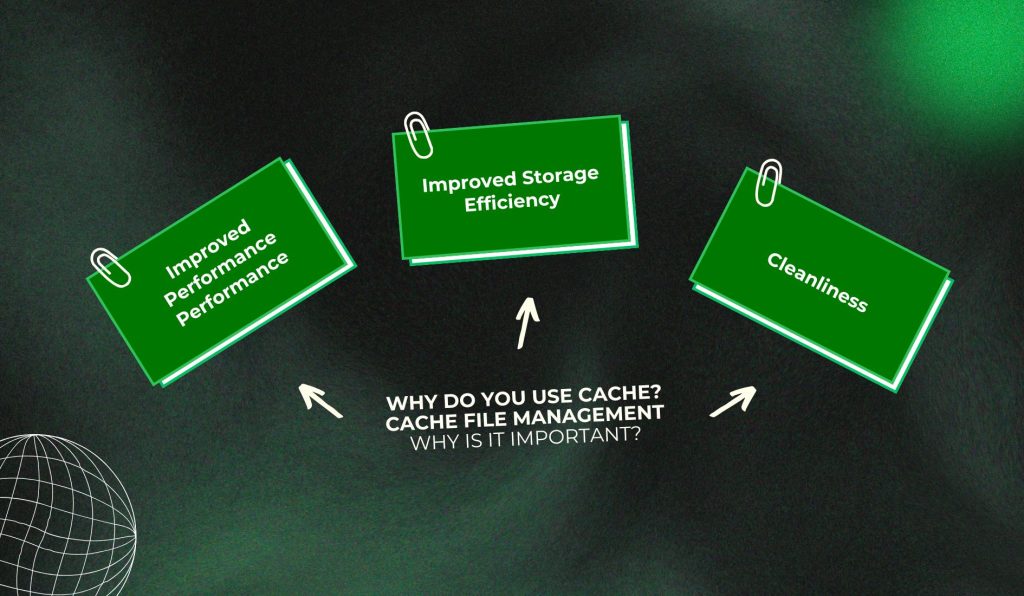
1. Improved Performance Performance
First, cache improves performance significantly. Hence, devices load cached files much faster than online pages.
Thus, AppBlock displays the blocked page instantly. Users experience smooth and seamless transitions.
2. Improved Storage Efficiency
Second, cache improves storage efficiency. Android automatically clears cached data when storage becomes low.
Since the app can recreate blank.html easily, permanence remains unnecessary.
3. Cleanliness
Finally, cache management keeps devices clean and responsive. Some apps store unnecessary files permanently, which can cause a slowdown. AppBlock avoids this issue by using the cache wisely.
Content CZ Appblock Fileprovider Blank HTML: Is It A Risk?
After examining the URI, we can confidently answer the security concern. It does no security risk.
AppBlock uses this feature for normal operation. Its presence demonstrates modern, secure Android practices.
Android manages cached files automatically. Even if blank.html disappears, the app recreates it instantly.
Therefore, the file remains harmless and temporary. This URI resembles a standard engine component rather than a threat.
Where And When You May Encounter This URI?
This string may appear in several normal situations. Programmers might notice it inside system log files.
Cleaning apps may also display it while scanning temporary files. If a WebView component crashes, reports may include this URI.
You might also see it in the browser history after AppBlock blocks a site. In every case, the system performs routine operations.
Library Card System Analogy: Content://cz.Mobilesoft.Appblock.Fileprovider/Cache/Blank.HTML

Let us understand this system through a simple real-life example. Imagine your smartphone storage as a large library.
Each app owns its own restricted section. You cannot enter another section freely. Hence, you must request access at the front desk.
AppBlock owns a private section. The blank.html file acts like a specific book. The Content Provider works like the librarian. The Content URI functions like a request slip.
Hence, it hides the exact shelf location. However, it gives enough details for retrieval. Thus, it submits the request when another app needs that file.
Therefore, Android then asks AppBlock for permission. This system keeps everything organized and secure.
AppBlock App Features In Relation To the Process
Appblock offers several features that clarify the purpose of blank.html. The app manages digital habits beyond just blocking websites.
First, it supports scheduled blocking. Users can restrict apps during selected hours or days. If someone opens a blocked site, blank.html appears instantly.
Second, it enables location-based blocking. Users can activate profiles like “Work” at specific places. The blocked page still loads through the same method.
Third, Strict Mode prevents early block removal. This feature strengthens discipline and focus. Each time blocking activates, the blank.html URI operates silently in the background.
content://cz.mobilesoft.appblock.fileprovider/cache/blank.html
content://cz.mobilesoft.appblock.fileprovider/cache/blank.html
Content://cz.Mobilesoft.Appblock.Fileprovider/Cache/Blank.HTML Is A Feature And Not A Fault
Seeing a string like content://cz.mobilesoft.appblock.fileprovider/cache/blank.html may confuse users initially.
However, it reflects a secure and efficient design inside. Appblock uses FileProvider and Content URIs to protect the internal structure.
The blank.html file simply acts as a temporary placeholder. Its cache location shows smart resource management.
Next time you notice a similar Content URI, you can decode it confidently. The system quietly links apps without exposing private data. This feature works normally and poses no security threat.
Share this article: