- What Are The Different Types Of Internet Banking?
- 1. Internet And Mobile Banking
- 2. The Use Of Automated Teller Machine In Internet Banking (ATM)
- 3. Debit And Credit Cards
- 4. Electronic Funds Transfer (EFT)
- 5. Digital Wallets And E-Money
- Frequently Asked Questions About Electronic Banking
- 1. What Is Electronic Banking?
- 2. How Do Internet And Mobile Banking Differ?
- 3. What Services Can I Access Through ATMs?
- 4. What Are The Benefits Of Using Debit And Credit Cards?
- 5. How Does Electronic Funds Transfer Work?
- 6. What Are Digital Wallets and How Do They Function?
- 7. How Secure Is Biometric Authentication In Banking?
What Are The Different Types Of Electronic Banking Services?
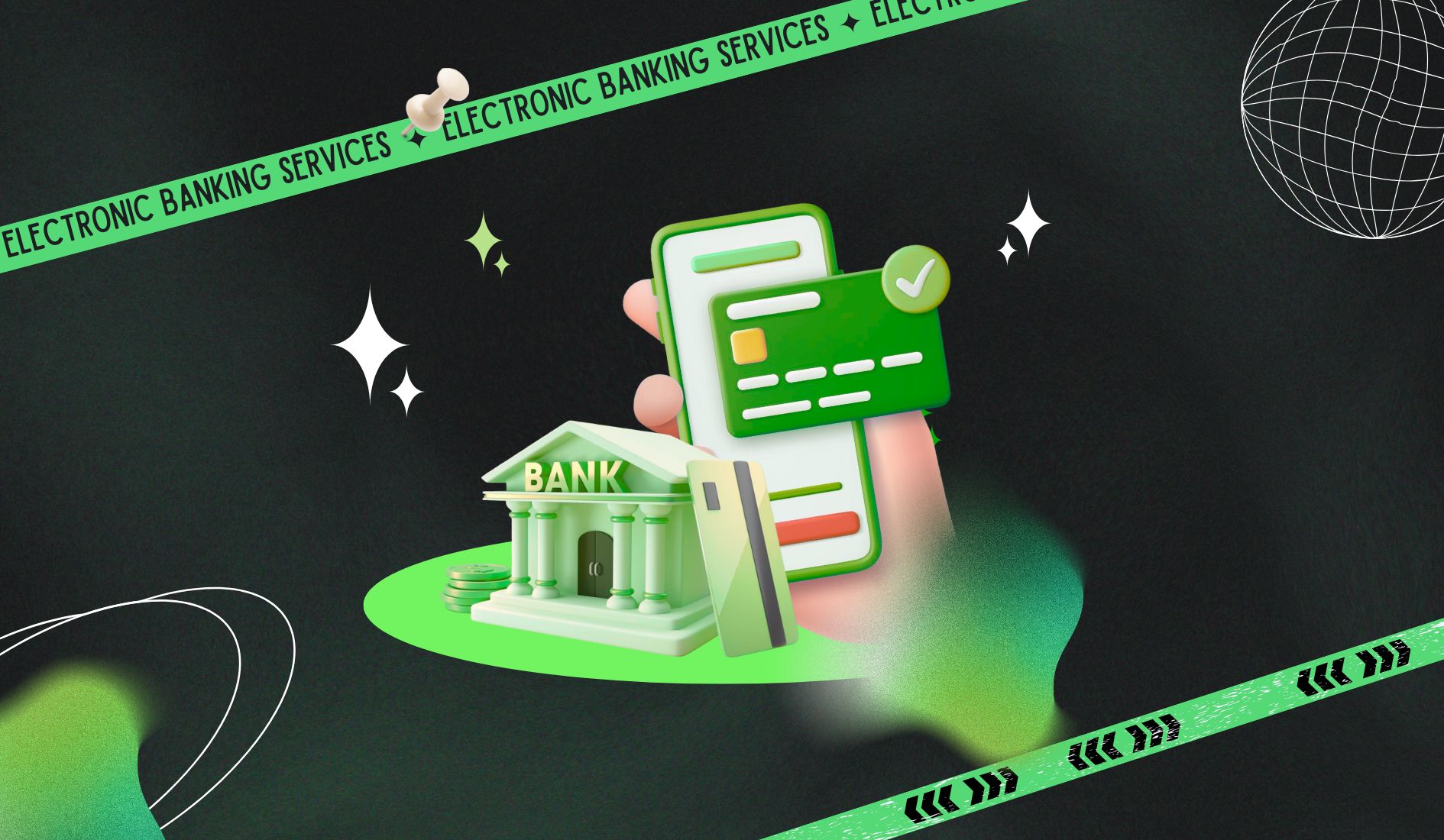
The digitized landscape has prompted several conventional banks to shift their operations online.
All banks worldwide now aim to provide their customers with digital banking services.
Moreover, the banking services now encompass everything, including loans, debit/credit cards, and other services.
The banking solutions now help professionals equally. Electronic banking, also called e-banking, is paving the way in today’s world and silently revolutionizing how we do business.
E-banking has made banking more convenient and accessible by leveraging a broad range of telecommunications networks.
Thus, e-banking in the current world delivers a broad spectrum of electronic products and services.
At the Finance Team, we have brought to you some of the most detailed and relevant information about e-banking and how we can adapt to this change.
A report by the American Bankers Association suggests that almost 96% of Americans think highly of Electronic banking.
Adapting to this change shall provide us with the necessary convenience during our transactions.
Hence, in this article by the Finance Team, we will discuss the necessary steps to get the most out of electronic banking.
We will also learn about the various types of internet banking.
What Are The Different Types Of Internet Banking?

There are multiple types of electronic banking. However, one form is very different from the other and serves different purposes.
1. Internet And Mobile Banking
Internet or mobile banking allows the clients to access their money through the browser or a dedicated app on their phone.
Moreover, both the app and the browser access serve the same purpose. However, the app is more convenient for mobile phone use.
On the other hand, the browser plays an important role in allowing users to access their bank accounts from any device, such as a PC.
Internet and mobile banking serve various purposes, including fund transfers, bill and utility payments, and checking account balances.
Additionally, people also use internet banking for statement downloads and other services.
The biggest advantage is 24/7 access. Customers can manage accounts anytime without being restricted by banking hours.
Banks use encryption, secure servers, and two-factor authentication to protect users. 2FA provides the best security for users.
Institutions like Bank of America emphasize layered security for online access, a practice also detailed by Encyclopedia Britannica.
2. The Use Of Automated Teller Machine In Internet Banking (ATM)
The banks initially installed the ATMs for cash withdrawals. However, now they serve multiple purposes.
They fulfil various banking needs and requirements, including Cash deposits and withdrawals, as well as PIN generation or PIN change.
Furthermore, the ATMs allow the user to generate mini-statements and balance enquiries.
ATMs are widely available and user-friendly. Moreover, the technology has been around for a long time, yet people widely use it for liquidity.
Thus, this long-term existence has made ATMs essential for both urban and rural banking inclusion.
The technology is well-suited to regions where users find it difficult to access their accounts online.
Modern ATMs include CCTV surveillance, anti-skimming devices, and transaction alerts. This makes them really secure.
3. Debit And Credit Cards
Debit cards and credit cards also play a very crucial role. Moreover, people use both types of cards for transactions.
Moreover, Debit cards draw money directly from your bank account. On the other hand, credit cards allow people to borrow up to a set limit.
Debit and credit cards offer multiple benefits, such as rewards points and cashback.
In addition, the users can easily track their expenses. Furthermore, the company takes the onus of fraud liability protection.
EMV chips, PIN verification, and tokenization reduce fraud risks.
4. Electronic Funds Transfer (EFT)
EFT allows for the digital transaction of currency from account A to account B, without paper-based instruments.
There are various types of EFTs. These include
- NEFT (National Electronic Funds Transfer)
- RTGS (Real Time Gross Settlement)
- IMPS (Immediate Payment Service)
EFT is a very reliable, secure, and fast form of electronic banking for users.
Encryption, secure networks, and authentication protocols provide proper security during transactions.
5. Digital Wallets And E-Money
Digital wallets store payment information electronically and allow users to pay without using physical cards or cash.
These forms of banking come with several features, including contactless payments, peer-to-peer transfer, and Integration with apps and platforms.
They offer speed and convenience and often reward loyal users. Biometric, PIN, and other factors make payments on these wallets super safe and easy.
Frequently Asked Questions About Electronic Banking
Here are the answers to some of the most frequently asked questions about electronic banking.
1. What Is Electronic Banking?
Electronic banking is a form of banking in which people use digital channels such as apps, websites, and ATMs to access banking services.
Electronic banking makes banking more convenient for people. Thus, people can access their money from anywhere at any point in time.
2. How Do Internet And Mobile Banking Differ?
Internet banking and mobile banking use web browsers and mobile apps. However, mobile apps remain more crucial for mobile banking.
3. What Services Can I Access Through ATMs?
You can withdraw or deposit cash or check balances. Furthermore, ATM also allows you to change PINs and print mini-statements.
4. What Are The Benefits Of Using Debit And Credit Cards?
A debit card allows you to pay directly from your account. On the other hand, a credit card allows you to borrow a certain amount.
They offer convenience, security, rewards, and easy expense tracking.
5. How Does Electronic Funds Transfer Work?
EFT moves money digitally between bank accounts via secure banking networks, without any paperwork or written documents.
6. What Are Digital Wallets and How Do They Function?
Digital wallets store payment details electronically and enable fast, cashless transactions.
You can add money to your digital wallets from your bank account.
7. How Secure Is Biometric Authentication In Banking?
It is highly secure, as biometric traits are unique and difficult to replicate. Biometric remains completely connected to your fingerprints and others.
Thus, it is one of the safest ways of conducting transactions. Biometrics remains really reliable for the users.
Share this article: