- Understanding the Global Beef Trade Landscape
- Key Characteristics:
- The Role of Biological Production Cycles
- Why Biological Cycles Matter?
- Shifting Global Demand Patterns
- Supply Chain Complexity in the Beef Industry
- Financial and Operational Considerations
- Importance of Planning and Coordination
- Role of Agricultural Financial Services
- Risk Factors in the Global Beef Trade
- Sustainability and Ethical Considerations
- Strategies for Success in Global Beef Trade
- Future Outlook of the Global Beef Trade
- Managing The Global Beef Trade
Global Beef Trade: Managing Complexity in a Changing Market
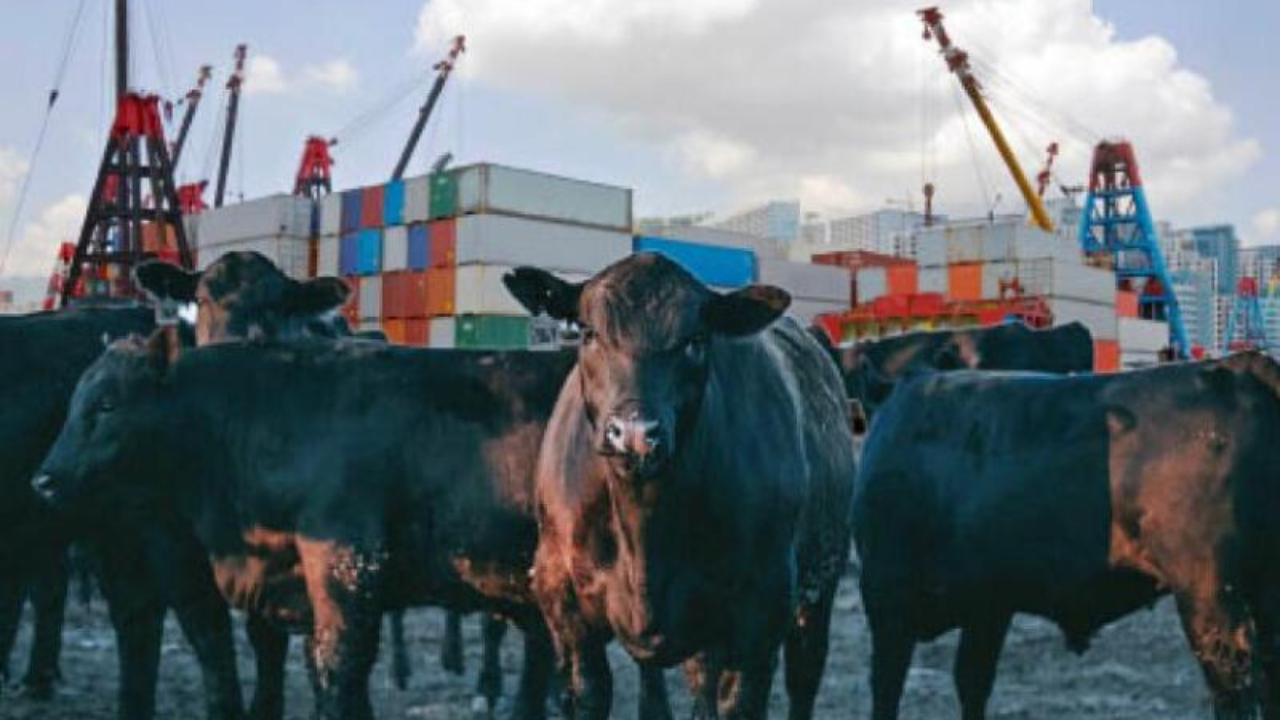
The worldwide beef trade operates within a system that includes multiple complicated components, which experience ongoing changes.
However, the trade flows establish an initial perception of stable operations, yet the actual situation operates through interconnected dynamic forces that drive the industry forward.
International beef trade between countries depends on three specific elements: biological production cycles and international shipping systems, and changes in consumer preferences.
Organizations experience heightened supply chain vulnerability because globalization processes increase their operational connectivity to other businesses.
Producers, processors exporters and policymakers need to implement continuous changes in their operations to achieve both competitive advantages and operational stability.
Therefore, the guide will present three main aspects that drive global beef trade and three challenges that businesses face while operating in this complex business environment.
Understanding the Global Beef Trade Landscape
The international beef market operates through the complete cycle of beef production and processing, and international beef trade through export and import activities.
Beef markets operate through distinct market forces that stem from biological factors, economic conditions, and government regulations.
Key Characteristics:
Production processes result in extended time durations for completing their operations.
- Firstly, requires essential resources from nature to sustain its operations.
- Secondly, enforces rigorous regulations to ensure proper food safety measures.
- Thirdly, experiences fluctuations in the worldwide need for its products.
Therefore, the beef trade extends beyond basic economic principles because it requires organizations to manage their operations through specific time schedules and strategic resource allocation methods.
The Role of Biological Production Cycles
One of the most defining features of the beef industry is its reliance on biological systems.
Why Biological Cycles Matter?
As a result, supply adjustments take months or even years.
- Herd Expansion and Reduction
- Increasing herd size requires long-term investment.
- Reducing herd size may lead to future shortages.
Consequently, decisions made today can impact supply years later.
- Impact on Global Trade
Because supply is relatively inflexible:
- Firstly, buyers prefer reliable suppliers.
- Secondly, long-term contracts become common.
- Thirdly, market volatility increases when supply-demand mismatches occur.
Therefore, consistency becomes more valuable than short-term capacity.
Shifting Global Demand Patterns
Demand is another major force shaping the global beef trade.
- Factors Driving Demand
Several factors influence beef consumption worldwide:
- Firstly, beef production processes require time for their respective activities.
- Secondly, they need specific breeding cycles, feeding growth periods, and health management steps.
- Thirdly, the process of adjusting supply levels requires a time period of several months or even multiple years.
- Rising Income Levels
As incomes grow, especially in developing economies, demand for protein increases.
- Urbanization
Urban populations tend to consume more processed and packaged meat products.
- Dietary Preferences
Changing lifestyles and cultural influences affect consumption patterns.
As a result, demand is not static it evolves continuously.
- Import-Dependent Markets
In regions where domestic production cannot meet demand:
- Firstly, imports become essential
- Secondly, trade relationships strengthen
- Thirdly, supply chain efficiency becomes critical
Therefore, exporters must align with the specific needs of importing countries.
Supply Chain Complexity in the Beef Industry
As the beef trade expands globally, supply chains become more intricate.
- Multi-Layered Supply Chains
The journey from farm to consumer involves multiple stages:
- Firstly, Farming
- Secondly, Processing
- Thirdly, Packaging
- Fourthly, Transportation
- Finally, Distribution
Each stage introduces potential risks and delays.
- Logistics Challenges
- Long transit times
- Cold chain requirements
- Port congestion
Consequently, maintaining product quality becomes a major concern.
- Regulatory Compliance
Different countries have varying:
- Firstly, food safety standards
- Secondly, import regulations
- Thirdly, certification requirements
Therefore, exporters must navigate complex compliance frameworks.
Financial and Operational Considerations
Financial management plays a crucial role in sustaining global beef trade operations.
- Capital Requirements
Beef production and trade require significant investment in:
- Firstly, Livestock
- Secondly, Feed
- Thirdly, Infrastructure
- Finally, Transportation
As a result, businesses often rely on external financing.
- Currency Fluctuations
Since trade occurs across borders:
- Exchange rates impact profitability
- Price volatility increases
- Inventory and Storage Costs
Products may remain in storage or transit for extended periods.
Therefore:
- Capital is tied up
- Risk exposure increases
Importance of Planning and Coordination
Effective planning is essential due to the long timelines involved in beef production and trade.
- Forecasting Demand and Supply
Businesses must anticipate:
- Firstly, market demand
- Secondly, production capacity
- Thirdly, seasonal variations
Accurate forecasting reduces uncertainty.
- Communication Across Stakeholders
Coordination between:
- Firstly, Producers
- Secondly, Processors
- Thirdly, Exporters
- Finally, Importers
Ensures smooth operations and minimizes disruptions.
- Limited Flexibility
Because decisions are made in advance:
- Rapid changes are difficult
- Errors can be costly
Therefore, strategic planning is critical.
Role of Agricultural Financial Services
Agricultural financial services support systems are essential for maintaining stability in the beef trade.
- Supporting Producers
Farmers require funding for:
- Firstly, herd management
- Secondly, feed costs
- Thirdly, equipment
Flexible financing helps manage production cycles.
- Supporting Processors and Exporters
These stakeholders need capital for:
- Firstly, compliance requirements
- Secondly, processing facilities
- Thirdly, export logistics
- Risk Management Tools
Financial services provide:
- Firstly, Insurance
- Secondly, Hedging strategies
- Thirdly, Credit solutions
These tools help mitigate uncertainties.
Risk Factors in the Global Beef Trade
The industry faces several risks that can disrupt operations
- Market Volatility
- Price fluctuations
- Demand shifts
- Environmental Factors
- Droughts
- Climate change
- Disease Outbreaks
Livestock diseases can:
- Reduce supply
- Trigger trade restrictions
- Political and Trade Policies
- Tariffs
- Trade agreements
- Export bans
Therefore, businesses must stay adaptable.
Technology and Innovation in the Beef Trade
Technology is increasingly shaping the future of the industry.
- Digital Supply Chain Management
- Real-time tracking
- Data analytics
Therefore, improves efficiency and transparency.
- Automation in Processing
- Faster production
- Reduced labor costs
- Blockchain for Traceability
- Ensures product authenticity
- Enhances consumer trust
Consequently, innovation is becoming a competitive advantage.
Sustainability and Ethical Considerations
Sustainability is gaining importance in global trade.
- Environmental Impact
- Greenhouse gas emissions
- Land use
- Consumer Awareness
Consumers are increasingly concerned about:
- Ethical sourcing
- Animal welfare
Therefore, businesses must adopt sustainable practices.
Strategies for Success in Global Beef Trade
To thrive in this complex environment, businesses must adopt strategic approaches
- Focus on Reliability
- Consistent supply
- Quality assurance
- Strengthen Trade Relationships
- Long-term partnerships
- Trust and transparency
- Invest in Infrastructure
- Cold storage
- Efficient logistics
- Leverage Financial Solutions
- Access to credit
- Risk management tools
As a result, businesses can navigate volatility effectively.
Future Outlook of the Global Beef Trade
The industry will keep developing its operations in future time.
- Growing Global Demand
The demand will increase because population growth and rising incomes will occur.
- Increasing Complexity
- The number of regulations will increase
- The length of supply chains will extend
- Greater Emphasis on Sustainability
Production methods will be determined by environmental protection requirements.
Adaptability will remain essential for success in all situations.
Managing The Global Beef Trade
In conclusion, the global beef trade market operates as a complicated system which depends on biological patterns and consumer preferences and distribution methods and economic factors.
However, the trade patterns show stability, but their fundamental operational systems experience permanent transformations.
While the success of this industry needs more than production capabilities. The process requires businesses to create their supply chain operations.
Meanwhile, through strategic planning and their financial systems through strong partnerships and their financial systems through strategic financial management.
However, forecasting and coordination and innovation activities provide businesses with abilities to handle unpredictable circumstances while sustaining their growth throughout time.
Therefore, organizations that adopt a proactive and cohesive way to achieve success in handling obstacles and pursuing chances in global beef trade that keeps changing with developments.

Share this article: