- The Day Late Shipments Stopped Being A Mystery
- How Things Became Negative?
- What "Traffic Flow" Actually Means On A Warehouse Floor
- Why Congestion Sneaks Up On Growing Warehouses
- Should A Small Warehouse Owner Worry About Layout At All?
- A Simple Framework To Fix Warehouse Flow
- What Changed After Priya Fixed Her Layout
- Key Takeaways
Smarter Facility Movement Starts With Better Planning
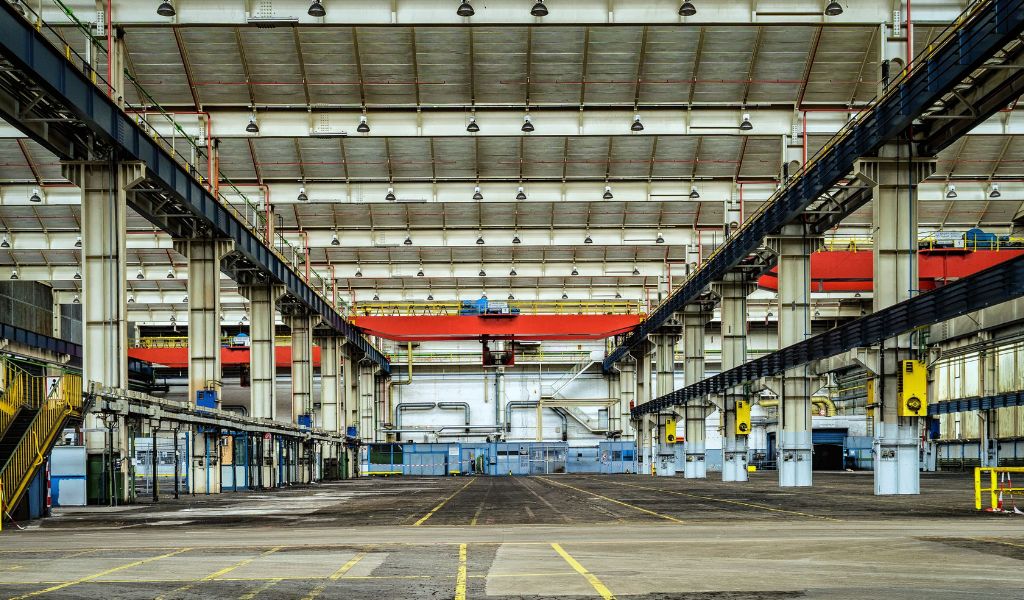
Smarter facility management for a small warehouse means designing the way people, carts, and stock actually move through the space. Not just where shelves are placed.
It covers picking paths, packing stations, and the walkways between them. Get the flow right, and orders go out faster with less walking.
You get it wrong, and your busiest hours turn into a daily traffic jam.
The Day Late Shipments Stopped Being A Mystery
Priya runs a small skincare brand out of a 4,000-square-foot warehouse somewhere on the edge of Austin.
Two years ago, it was just her. And one part-time helper. They packed maybe 30 orders a day, from a single table. Nothing complicated.
Then one of her videos blew up on TikTok.
By last spring, they were shipping over 250 orders a day. Six people on the floor. Same warehouse though. Same layout. Nobody really stopped to rethink it.
That’s when things started feeling off in the absence of smarter facility management.
How Things Became Negative?
People kept getting in each other’s way. Pickers, packers, everyone crossing paths in this one narrow stretch like it was a busy street.
The best-selling serum, the one in most orders, was weirdly kept all the way at the back. So every picker walked that full distance. Again. And again. All day.
Near the packing table, carts would just sit there waiting. That setup made sense earlier. With one person. With six, it slowed everything down. To sum up, that’s not smarter facility management.
Orders began slipping. Not dramatically at first. Just a few delays here and there. But then it increased.
It wasn’t a people problem. If anything, everyone was moving faster than before. The space just wasn’t keeping up anymore.
One afternoon, Priya tried something simple. No consultant, nothing fancy. She borrowed a stopwatch and timed ten orders from start to finish.
It came to almost nine minutes per order.
That didn’t sound right. She tried again. However it was the same result. Somewhere around nine. It should’ve been closer to four.
When she broke it down, most of that time wasn’t packing or picking. It was just some movement:
- Walking back and forth.
- Waiting for someone to clear a path.
- Small delays piling up.
That’s usually where the real issue sits. Not in the people, but in how the space is set up versus how it’s actually being used.
What “Traffic Flow” Actually Means On A Warehouse Floor
Most people picture warehouse efficiency as better shelves or faster software. But traffic flow is simpler than that. It’s the path a person, cart, or forklift takes from one point to another, and whether that path crosses someone else’s.
A small warehouse usually has four zones: receiving, storage, packing, and shipping. The goal is a layout where goods move in one general direction through these zones, instead of crisscrossing back and forth.
Clear markings like lines for aisles, arrows for direction, and stop points for equipment all help guide that movement.
Priya’s warehouse had all four zones. They just weren’t talking to each other anymore.
Why Congestion Sneaks Up On Growing Warehouses
Nobody designs a warehouse for chaos. It happens gradually, the same way Priya’s did: one new hire at a time, one new shelf added wherever there was space.
A few patterns show up again and again in small, fast-growing warehouses:
- One popular product sits far from packing. In most warehouses, a small share of products generates the majority of orders, so keeping bestsellers near the packing area can cut picker walking time dramatically.
- Aisles stay the same width no matter how busy they get. Wide enough for one person isn’t wide enough for two carts passing each other.
- Picking paths zigzag instead of flowing one way. Designing routes that move in a single direction, rather than requiring backtracking, reduces both walking time and collisions.
- Everyone still uses the process built for a one-person team, long after the team has grown to six.
None of these are dramatic mistake. They’re just small habits that stopped fitting the business months ago.
Should A Small Warehouse Owner Worry About Layout At All?
If you’re shipping under 30 orders a day with one or two people, probably not yet. Walk a slightly inefficient path enough times, and it still won’t cost you much.
But once you cross roughly 100 orders a day, or once a second or third person starts working the floor at the same time, traffic flow stops being a minor annoyance.
It becomes the thing quietly adding minutes to every single order. And minutes, multiplied by hundreds of orders, add up to missed shipping cutoffs.
Priya’s nine-minutes-per-order number is a useful benchmark. If your own number looks closer to double what it should be, the layout is probably the problem, not your team.
A Simple Framework To Fix Warehouse Flow
You don’t need new software or a bigger building. Start with what you have:
- Time your own process. Pick and pack ten real orders, and track exactly where the minutes go.
- Mark your busiest products. Move your top sellers as close to packing as the layout allows.
- Draw your picking path on paper. It should flow in one direction, not loop back on itself.
- Widen the chokepoints. Even one extra foot in a tight aisle reduces collisions between carts.
- Re-walk it with your team. Test the new layout for a day before locking it in permanently.
Priya did exactly this over one weekend, using nothing but masking tape on the floor to mark the new aisle lines before committing to anything physical.
What Changed After Priya Fixed Her Layout
Within two weeks, her average pick-and-pack time dropped from nine minutes to just over five.
The biggest win wasn’t a new tool. It was moving her three bestselling serums next to the packing table and turning one aisle into a one-way path during peak hours.
Late shipments mostly stopped. Not because her team worked faster, but because they walked less and waited less.
Key Takeaways
- Traffic flow means how people and carts move through your space, not just where shelves sit
- Congestion usually builds up gradually as a small team grows, not from one big mistake
- Moving bestsellers closer to packing is one of the highest-impact, lowest-cost fixes available
- One-directional picking paths reduce both walking time and collisions
- Re-test any new layout with your real team before treating it as final
If there’s one thing Priya would tell another small business owner: you don’t need a warehouse expert to find the problem.
As a smarter facility management strategy, you just need a stopwatch and an honest look at where your team is actually walking.
For additional guidance on improving warehouse traffic flow, view the companion resource from Bradford Systems, a provider of vertical storage systems

Read Also:
Share this article: